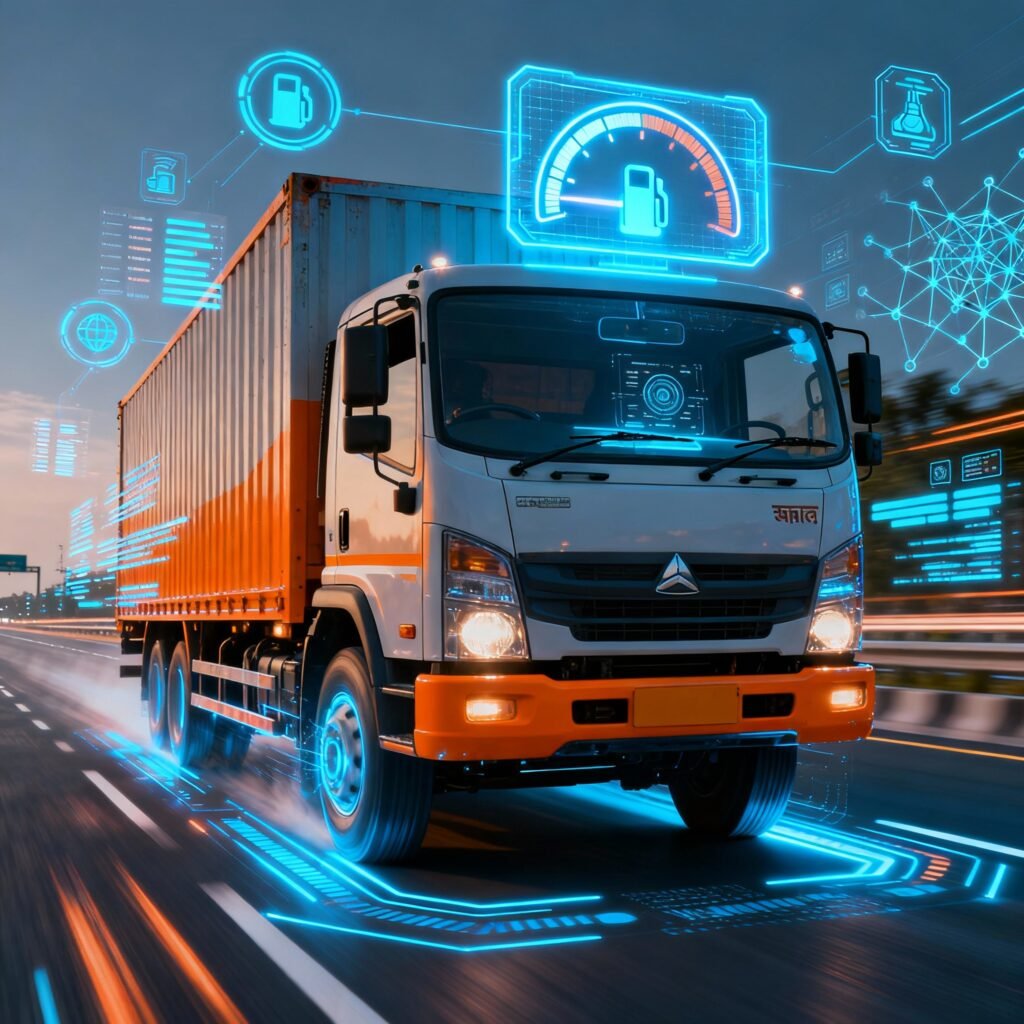
The Road That Changed One Fleet Owner’s Life
On a humid morning in Pune, Rajesh Deshmukh stood beside his line of dusty trucks. For years, he ran his logistics business the old-fashioned way — handwritten logs, paper receipts, and endless calls with drivers stuck on highways. Fuel theft, delivery delays, and unpredictable maintenance costs drained his profits.
Then, something changed.
In 2023, Rajesh decided to install GPS-based telematics and AI-powered fleet management software in his vehicles. Within months, his fuel expenses dropped by 18%, delivery punctuality improved, and his drivers felt safer with real-time assistance. Rajesh’s fleet became leaner, faster, and smarter — a glimpse of the massive transformation happening across India’s transportation backbone.
The question now is — how did India’s commercial transport sector evolve so quickly? And what does the future look like for fleet owners, drivers, and logistics executives navigating this high-speed digital highway?
India’s Commercial Transport Revolution at a Glance
India’s logistics industry contributes nearly 14% to the GDP, employing over 22 million people. Traditionally dominated by small fleet operators and manual processes, it is now undergoing a technology-driven renaissance led by automation, electric vehicles (EVs), and telematics.
Some pivotal forces driving this shift include:
- Telematics and IoT devices offering real-time tracking and temperature monitoring for goods.
- Fleet management systems reducing downtime through predictive maintenance.
- Fuel analytics optimizing consumption and reducing carbon footprints.
- Automation and AI streamlining route planning, load optimization, and cost control.
- Policy support, including the government’s push for EVs in commercial transport under FAME-II and Gati Shakti infrastructure.
The Rise of Smart Fleet Management Systems
Fleet operators were once blind to what happened between loading docks and warehouses. Now, every movement is visible — from a truck’s engine temperature to a driver’s acceleration patterns.
Smart fleet management platforms integrate GPS tracking, driver analytics, fuel sensors, and engine diagnostics into one central dashboard.
Here’s how it’s changing operations:
- Predictive Maintenance: AI algorithms detect early signs of mechanical issues, preventing costly breakdowns.
- Fuel Efficiency Insights: Real-time data pinpoints idle hours, fuel wastage, and route inefficiencies.
- Driver Behavior Monitoring: Systems promote safer driving by tracking over-speeding, harsh braking, and fatigue.
- Regulatory Compliance: Automating e-way bills, tax records, and digital proof of deliveries reduces admin time.
This data-centric approach doesn’t just save money — it builds long-term sustainability.
Fuel Efficiency: The Heartbeat of Smarter Transport
Fuel accounts for nearly 40% of fleet operating costs. Every drop of diesel saved counts toward a healthier bottom line. That’s why smart fuel management has become a cornerstone of logistics optimization.
Key innovations shaping fuel efficiency:
- Fuel sensors and IoT track real-time consumption and detect theft.
- Eco-driving analytics train drivers on optimal acceleration and gear shifts.
- Route optimization software minimizes traffic delays and unnecessary detours.
- Alternate fuels like CNG and LNG trucks, and hybrid EVs are redefining cost structures.
Companies like Tata Motors, Ashok Leyland, and Eicher are pioneering advanced telematics-enabled commercial vehicles, giving fleet owners a measurable edge.
Telematics: The Eyes and Ears of Modern Fleets
Telematics is not just GPS tracking — it’s the fusion of telecommunications and informatics powering connected mobility.
With real-time visibility, logistics managers gain control over fleets spread across thousands of kilometers. The benefits are tangible:
- Route intelligence: Automated systems learn and adapt to traffic conditions.
- Data analytics: Predict delivery times and alert customers proactively.
- Remote diagnostics: Notify workshops instantly when vehicle errors occur.
- Safety alerts: Reduce accident rates through fatigue detection and geofencing.
Example: Mahindra’s iMAXX telematics platform combines AI with machine learning to analyze driver behavior, enabling fleet efficiency gains of up to 25%.
Electric and Alternate Fuel Vehicles: The Green Frontier
Sustainability is now a business necessity. The Indian logistics landscape is actively transitioning toward EVs and low-emission alternatives.
Emerging trends in green logistics:
- Electric Light Commercial Vehicles (LCVs) from Tata, Mahindra, and Omega Seiki gaining traction.
- CNG and LNG trucks offering lower fuel costs in short-haul logistics.
- Fleet electrification programs supported by FAME-II subsidies and carbon reduction mandates.
- Battery-as-a-Service (BaaS) models reducing upfront EV costs.
These transitions not only lower emissions but also appeal to global clients seeking sustainable supply chains.
AI, Automation, and Data: The New Navigators
Artificial Intelligence has turned logistics from a guessing game into a data-driven science.
Here’s how AI and automation are rewriting the manual book of transport:
- Dynamic route planning using live traffic and weather data.
- Machine learning algorithms predicting future maintenance and part failures.
- Inventory and load optimization to reduce empty return trips.
- Digital documentation through blockchain-backed smart contracts.
- Voice-assisted fleet dashboards helping drivers get updates hands-free.
For small fleet owners, cloud-based fleet management apps bring enterprise-level intelligence at affordable rates.
How India’s Small Fleet Owners Are Catching Up
Despite the tech boom, about 80% of India’s commercial transport is still operated by small businesses with fewer than 10 vehicles. Yet, digital adoption is rising fast.
Why? Because today’s SaaS platforms and telematics solutions are affordable, scalable, and mobile-first.
Benefits for small fleet operators:
- Manage vehicles from smartphones and reduce dependency on spreadsheets.
- Access fuel and route data in simple visuals.
- Receive maintenance alerts automatically.
- Lower insurance premiums with verified telematics data.
Companies like Fleetx, LocoNav, and Webfleet are empowering regional logistics players to compete nationally with smarter fleets.
Government Incentives and Policy Backbone
India’s massive infrastructure push under PM Gati Shakti, the National Logistics Policy, and Digital India have created a strong foundation for technological integration in transport.
Key policy advancements:
- FASTag and e-way bill automation improving toll efficiency and transparency.
- Vehicle Scrappage Policy promoting cleaner fleets.
- EV incentives encouraging manufacturers to expand into commercial EVs.
- Open API frameworks promoting data-led logistics innovations.
Together, these policies are propelling India toward an integrated logistics ecosystem powered by connectivity, sustainability, and automation.
Challenges on the Road to Smarter Logistics
No transformation is without hurdles. Fleet modernization requires investment, training, and digital literacy.
Some leading concerns include:
- High upfront costs for telematics and EV adoption.
- Fragmented infrastructure for EV charging and maintenance.
- Data privacy and cybersecurity issues in connected vehicles.
- Resistance to change among traditional operators.
However, these challenges are steadily being addressed through VC-funded startups, government interventions, and educational programs for fleet operators.
The Future: Connected, Automated, Sustainable
By 2030, India’s logistics landscape is expected to look radically different. Connected fleets, autonomous delivery vehicles, AI-driven warehouses, and digital freight marketplaces will combine to create a smoother, transparent supply chain.
Predicted future trends:
- Widespread adoption of electric and autonomous trucks.
- Blockchain logistics ensuring full transparency.
- Drone-assisted last-mile delivery for urban logistics.
- Integration of 5G-enabled telematics for near-real-time updates.
In simple terms, tomorrow’s logistics will be green, data-smart, and human-aware.
Conclusion: Your Next Move Toward Smart Logistics
As Rajesh’s story showed, technology isn’t replacing people — it’s empowering them. Fleet owners, logistics managers, and transport entrepreneurs who embrace digital tools today will lead tomorrow’s economy.
If you manage or work in commercial transport, now is the moment to pivot toward data-driven decision-making.
Start small:
- Install telematics in a few vehicles.
- Track fuel analytics for one month.
- Compare outcomes.
The numbers will convince you.
Smarter logistics isn’t the future — it’s already here. The only question left is: are you ready to drive change?
